
When we think about the fight for civil rights, we often picture the marches of the 1960s or the modern justice movements in our streets. But there is another, quieter battleground where systemic inequality has thrived for nearly a century: the Department of Veterans Affairs (VA).
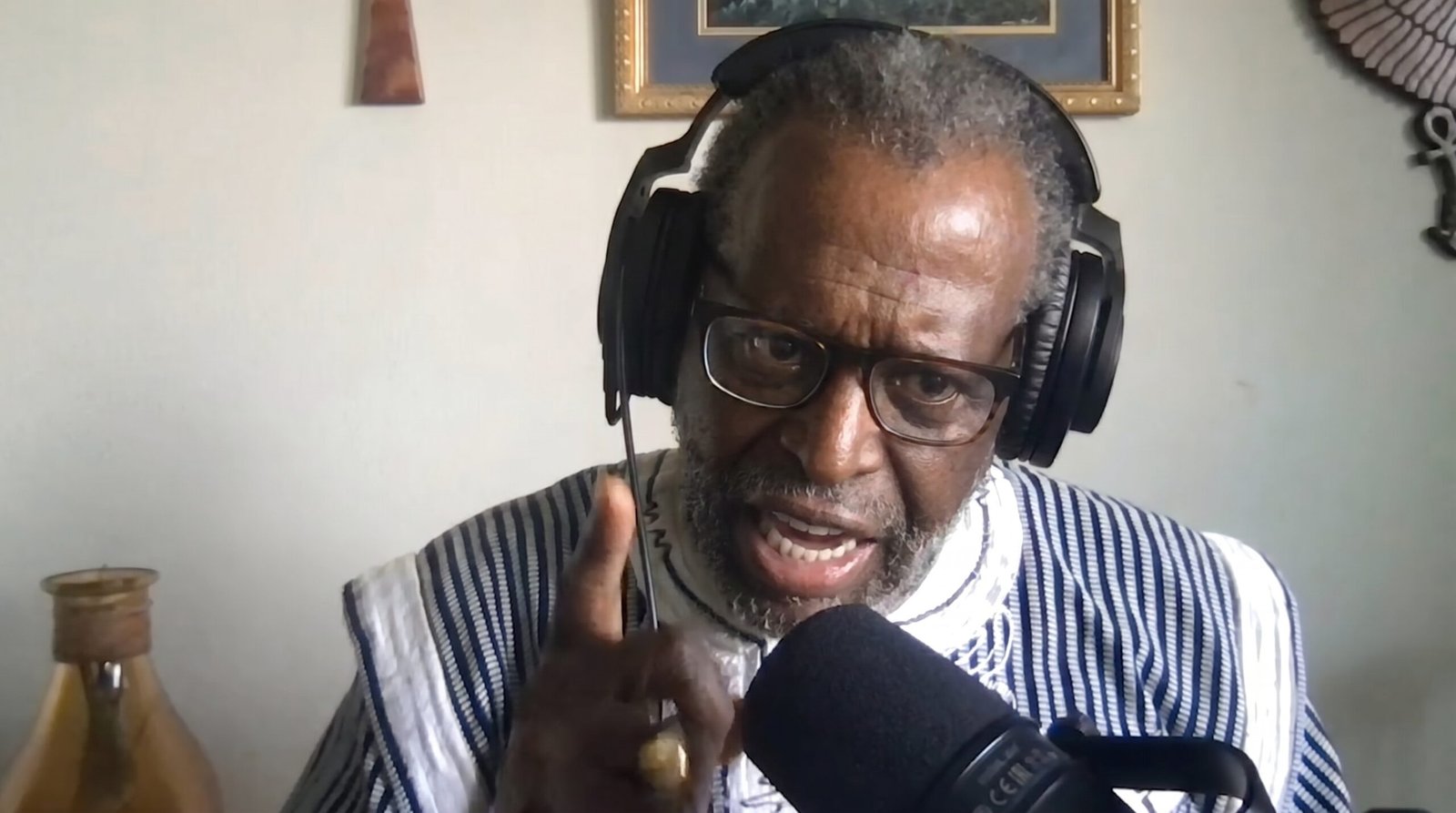
In a compelling interview segment, Vietnam veteran and legal advocate Ari Sesu Merretazon addresses a question that cuts to the heart of American accountability: Do Black veterans deserve reparations for systemic discrimination? [00:39]
His answer is an unequivocal yes—not just as an act of historic justice, but as a necessary remedy for a system that continues to fail Black service members today.
A Clear Record of Racism
For Merretazon, the case for reparations is simple: the data, the history, and the lived experiences of Black soldiers leave a paper trail that cannot be ignored [01:22].
“When you get back and read the history about Blacks and veterans’ benefits, you see that they were ignored purposely by the federal government, by the VA… Reparations for Black veterans is clear to me, given the level of sacrifice that we made.” [01:35]
While all Vietnam-era veterans returned to a country short on structural support, Merretazon notes that the Black veteran experience carries distinct, compounded layers of institutional racism [01:11]. From discrimination while in uniform to the denial of foundational benefits once back on civilian soil, Black soldiers routinely faced a system “hell-bent” on withholding the safety net they earned in combat [01:30].
Beyond World War II: The Illusion of Progress
Historians have well-documented how Black veterans were systematically shut out from the generational wealth-building power of the 1944 GI Bill after World War II [02:12]. They were routinely denied home loans, college tuition assistance, and job training in mass numbers.
But as the interview highlights, the work of advocacy groups like the Black Veterans Project—which recently partnered with Yale Law School to sue the VA—reveals a much more disturbing truth: this is not ancient history [02:20].
Data uncovered by the project shows that institutional bias didn’t stop with the Greatest Generation, nor did it end after Vietnam. Even among the post-9/11 generation of service members, Black veterans continue to face statistically significant higher rates of denial for disability benefits when compared to their white peers [02:29].
Why Legal Battles and Reparations Matter Now
The ongoing disparity in modern disability claims proves that systemic bias isn’t a relic of the 20th century—it is baked into the VA’s current decision-making infrastructure [02:40].
When a Black veteran is denied disability benefits, it isn’t just an administrative rejection; it is a direct hit to their healthcare, their economic mobility, and their family’s long-term stability. Decades of these compounded denials create a massive wealth and wellness gap.
That is why Merretazon firmly aligns himself with the front lines of the Black Veterans Project [02:00]. It isn’t just about forcing the government to say “sorry.” It is about structural repair. Reparations represent a formal, financial, and institutional accounting for the unequal treatment of men and women who put their lives on the line for a country that promised them equality but delivered bureaucracy and bias.
The original interview clip featuring Ari Sesu Merretazon can be viewed on YouTube via Jason A. Higgins, Ph.D.’s channel.