
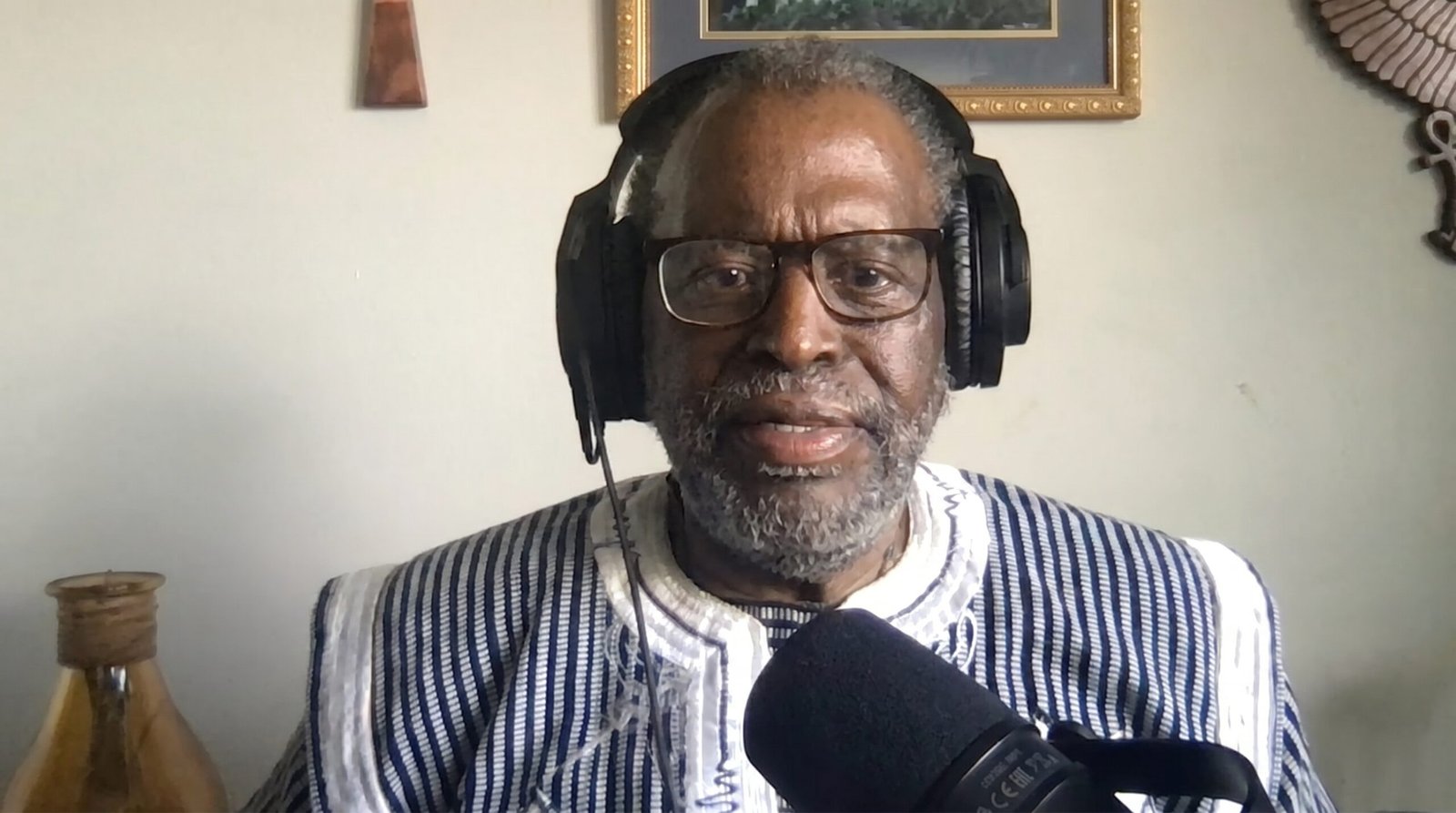
Returning home from war is a profound transition under any circumstance. But coming home from Vietnam in the spring of 1968 meant walking into a nation fractured by deep social unrest, raw grief, and political turbulence. In April of that year, Dr. Martin Luther King Jr. was assassinated, and major American cities were pushed to their breaking points.
For veterans like Ari Sesu Merretazon, navigating that homecoming while dealing with the invisible, heavy mental health wounds of combat was an isolating battle.
In a recent reflection on his return [00:06], Merretazon highlights a gaping hole in how the United States treats its service members at the local level—and issues a challenge to cities across the nation to do better.
The Burden of Finding Help Shouldn’t Be on the Veteran
When asked what resources he wishes had been available to him in 1968, Merretazon’s answer isn’t a complex clinical therapy or a specific government check. It is much simpler, yet far harder to find: proactive outreach [00:30].
“I think the most important thing that would have been of help to me as a veteran coming home alone would be some Outreach to me that didn’t say they recognize the fact that I’ve arrived back and survived the war and they should look for me, see what I need… and then we move on from there.” [00:37]
Instead of receiving an open hand, Merretazon found that the burden of survival was entirely on him. To get support, he had to navigate the local government bureaucracy alone, eventually being directed to standard municipal roles such as the post office or the police department [00:57].
For many veterans, the expectation that they should have to find, apply for, and essentially “beg” for basic reintegration assistance is a profound betrayal [02:10]. As Merretazon notes, it should never be the responsibility of a traumatized service member to become their own legal or systemic advocate just to survive civilian life [01:29].
The Disconnect Between Federal Promise and Local Reality
There is a strange paradox in American culture. On a macro level, federal programs like the VA exist, and politicians frequently lean on patriotic rhetoric, repeating phrases like “All gave some, some gave all” [01:59].
But Merretazon argues that this love and support often vanish where it matters most: at the city and county levels [02:18].
When veterans step off the plane or the bus, they don’t live in a federal abstract; they live in local neighborhoods. Yet, many municipalities fail to establish basic infrastructure to welcome them home. Merretazon points to Philadelphia—the largest and most populous city in Pennsylvania—as a stark example of a major metropolitan area that has historically operated without a dedicated local Veterans Affairs office [02:30].
A Call for Proactive Systems
The ultimate takeaway from Merretazon’s reflection is a call to shift from a reactive system to a proactive one.
Local governments shouldn’t wait for veterans to fall through the cracks, experience homelessness, or spiral into mental health crises before offering a safety net. Every city in the United States has a fundamental obligation to know who its veterans are, reach out to them directly upon their return, and ask a simple, human question: What do you and your family need, and how can we help you move forward? [00:37, 01:23]
Until local communities take ownership of the soldiers they sent to war, the true cost of homecoming will continue to be paid by the veterans themselves.
The original interview clip featuring Ari Sesu Merretazon can be viewed on YouTube via Jason A. Higgins, Ph.D.’s channel.