
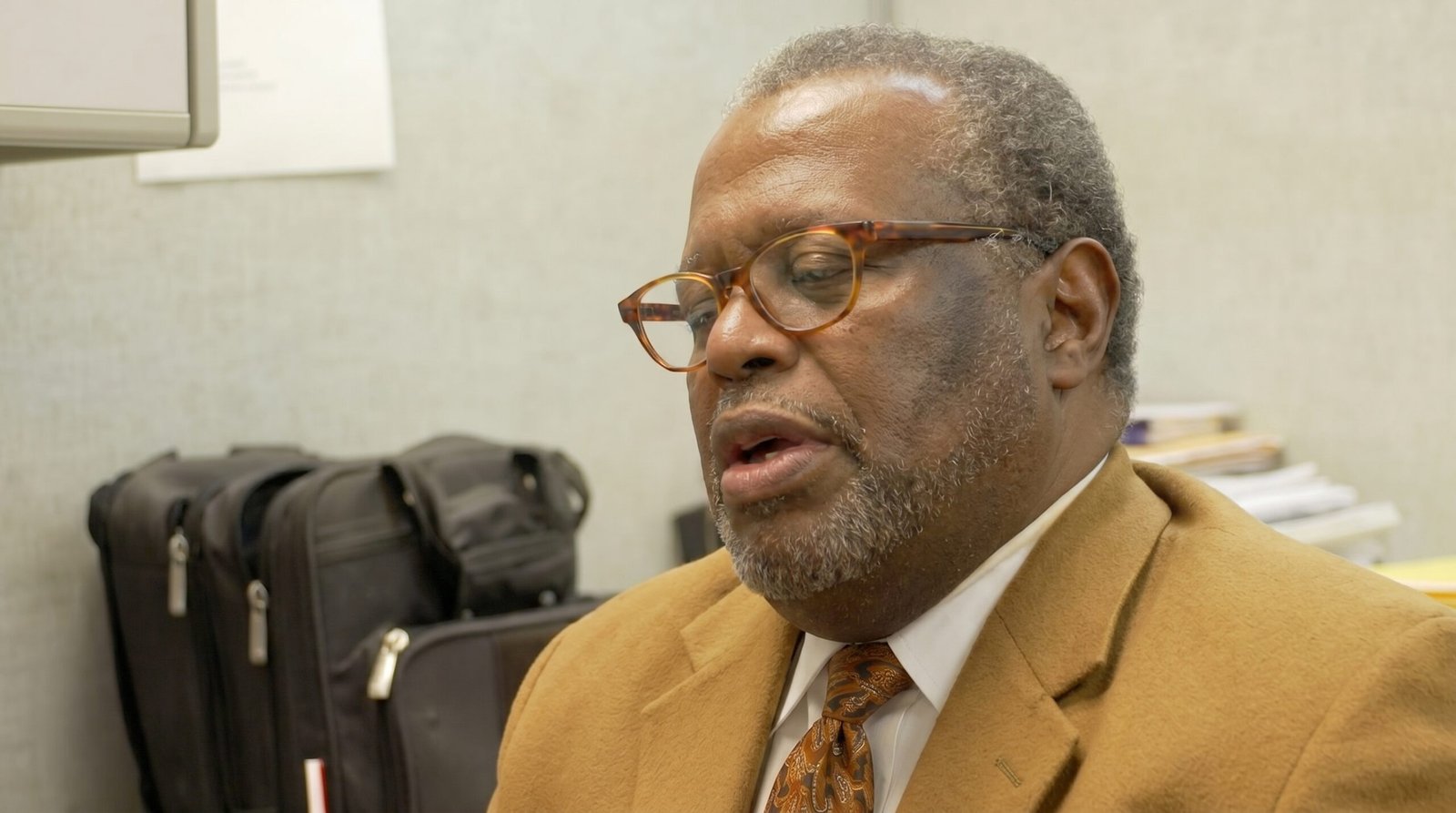
When we think about what drives someone to pursue a career in law, we often imagine standard corporate ambitions or political stepping stones. But for Vietnam veteran and advocate Ari Sesu Merretazon, the law is something much deeper: a tool for correcting systemic blind spots and shifting the way everyday people interact with power.
In a reflective introductory video from his time as a legal studies student at Temple University’s Fox School of Business, Merretazon mapped out his multi-year mission to become an attorney [00:09, 00:18].
What makes his perspective compelling is that he isn’t just looking to practice law as it stands—he wants to fundamentally reshape how it is applied [03:05].
Driven by Values and Ethics
At the core of Merretazon’s pursuit is a passion for the philosophical underpinnings of the legal system: values and ethics [01:08].
He views the law not merely as a rigid set of rules but as the primary framework governing interactions among citizens, corporations, and units of government [00:45]. For Merretazon, an ethical legal practice requires transparency, accountability, and an active push to help everyday individuals understand their rights when dealing with giant institutions [01:37, 03:34].
To make his vision a reality, he highlights three critical areas of law where he intends to focus his energy:
1. Consumer Protection and Corporate Transparency
In business law, Merretazon notes that a critical gap exists in consumer awareness. Corporations routinely withhold vital information that everyday people need to protect themselves [01:28]. He aims to advocate for a consumer’s “right to know,” evening the playing field so that citizens can make truly informed financial and personal decisions [01:37].
2. Shifting from Civil Rights to Human Rights
One of Merretazon’s most forward-thinking insights is his belief that traditional civil rights frameworks have largely run their course in the modern legal system [01:48]. As globalization accelerates and the digital divide narrows, bringing countries and cultures closer together, he argues that the legal system must transition to a human rights framework [01:56, 02:18]. This broader perspective is essential for navigating a highly connected, digital world.
3. Securing Hidden Rights for Veterans
As a Vietnam veteran, Merretazon has worked on veteran advocacy his entire life [02:34]. Pointing to America’s state of perpetual conflict, he warns that the influx of returning service members will continue to place a heavy demand on the legal system [02:47].
Specifically, Merretazon notes that veterans possess various property rights and legal protections that the Veterans Administration (VA) and other government branches rarely share openly [02:39, 03:52]. His goal is to act as the bridge, ensuring veterans are fully aware of and able to claim the rights they earned through combat sacrifice [04:06].
Expanding the Bounds of the Law
Ultimately, Merretazon does not see the law as a static entity frozen by past precedent. His plan to leave a mark on the profession involves pushing the application of law beyond its traditional boundaries [03:13]. By focusing on ethics, human dignity, and proactive education, he envisions a legal landscape that defends people before they fall victim to corporate greed or government neglect [01:08, 03:43].
The original introductory video can be viewed on YouTube via Ari Merretazon’s channel.